Introduction: Uncovering the Potential of AION
Imagine navigating a city where gridlock and pollution are things of the past. AION, with its cutting-edge design and efficiency, is leading the charge in this new era. But how exactly is this transformation achieved? According to the AION official website, the answer lies in leveraging smart innovations like edge computing nodes and power converters. Yet, despite these advancements, questions linger about the true effectiveness of these technologies. Are traditional methods still haunting us? Let’s delve into the unseen pitfalls before transitioning to the solutions AION offers.
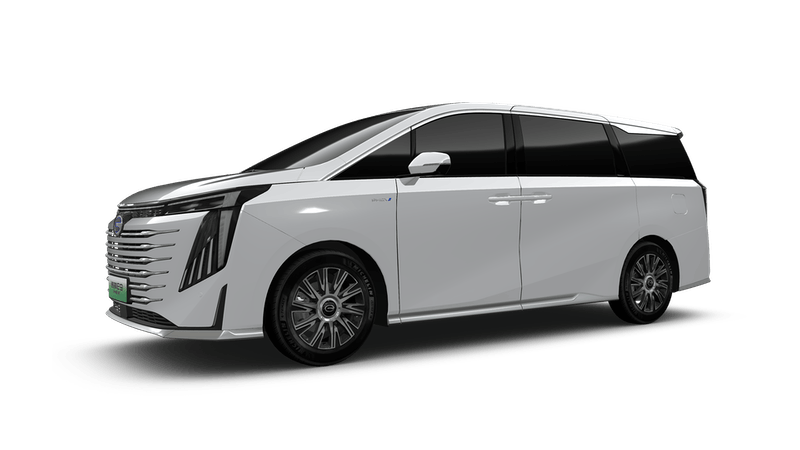
The Hidden Pain Points of Traditional Solutions
Once, we relied heavily on outdated technologies that drained resources and were less eco-friendly. Such traditional power converters often missed the mark on energy efficiency—leading to a cycle of waste and inefficiency. From unpredictable weather impacts on solar collections to battery degradation issues, these classic methods were not just annoying but costly. The AION official website highlights how their approach mitigates these problems with precision. Funny how that works, right? Yet, let’s tackle yet another lurking challenge: the somewhat hidden pain points that users often encounter.
Are Users Underestimating Technological Creep?
Many users don’t realize the creeping effect of technological limitations until it’s too late. Post-purchase, hidden costs related to maintenance and energy loss can surface unexpectedly. With AION’s technology, specific elements such as advanced electrical distribution greatly reduce—if not eliminate—these concerns. Look, it’s simpler than you think; realizing these gains only requires an understanding of AION’s core principles and how they contrast sharply with past methods.
Are New Technologies Really the Answer?
Emphasizing forward-thinking approaches, edge computing nodes and adaptive energy management systems have set new standards. Such advances not only promise efficiency but a smarter, more adaptive driving experience. Imagine a future where your AION test drive includes forecasting energy needs on the fly—transforming not just your ride but the energy landscape you traverse. This shift is critical, illustrating not merely how far we’ve come, but where we might go next.
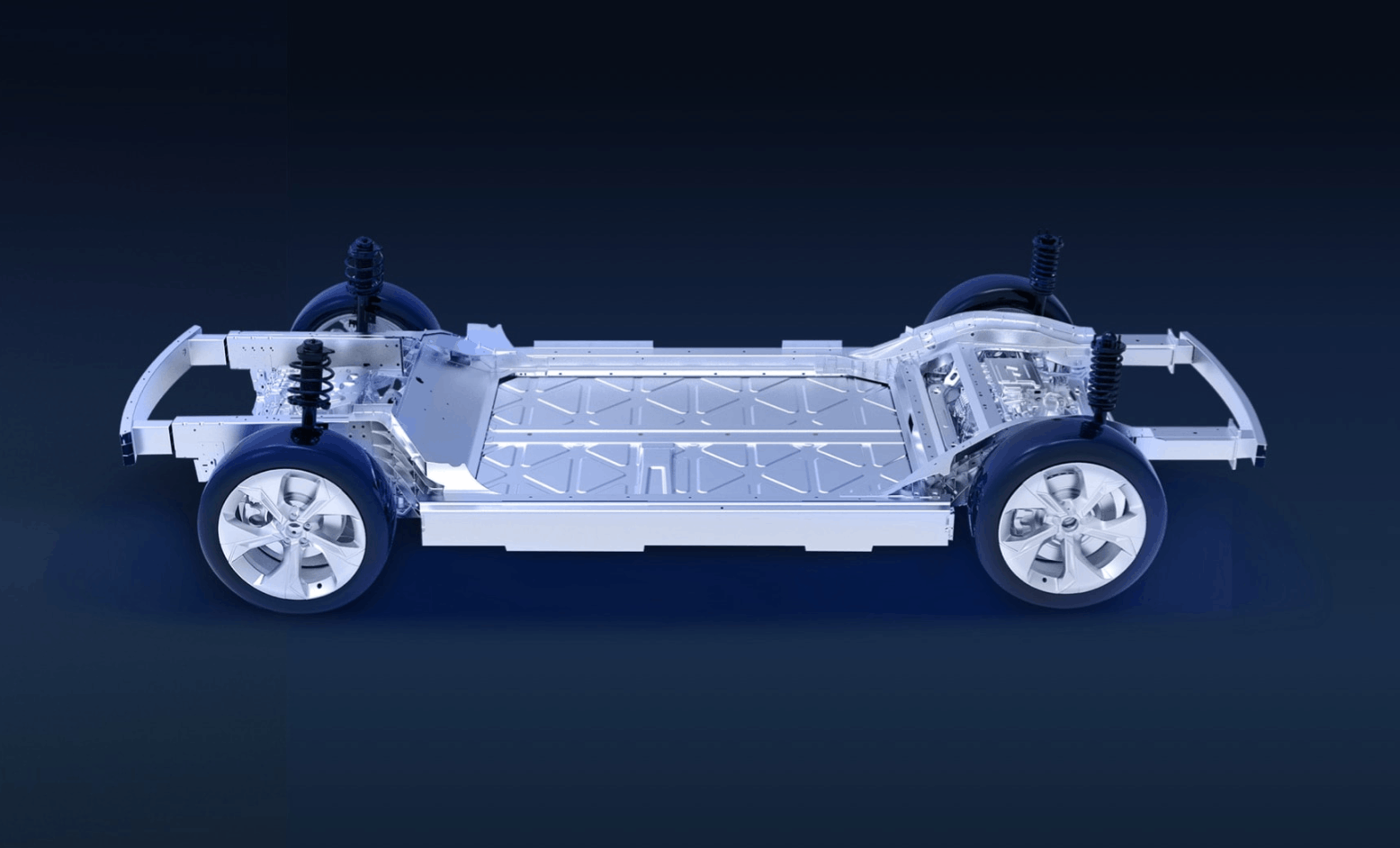
What’s Next for Automakers and Consumers?
In the broader automotive industry, the impact of these innovations is significant. Real-world testing of AION models shows substantial improvements in energy savings and battery life, eradicating age-old consumer frustrations. This progress prompts a few focus areas for evaluative metrics: energy consumption reduction percentages, user satisfaction ratings, and lifecycle sustainability impacts. Ultimately, these guide both manufacturers and consumers towards smarter, future-prepared decisions. Brands like GAC are not just contributing to a trend but leading a revolution, one where the future is conceived today with a clarity and precision once thought unattainable.
About the Author
